Recycling and Sustainability for Landscaping Wandsworth
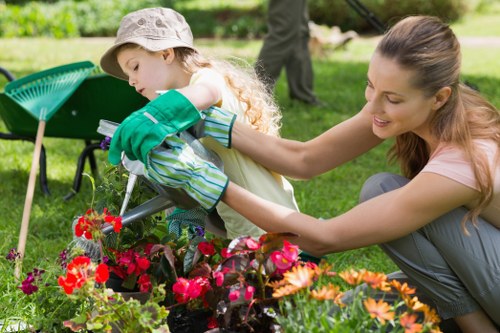 Landscaping Wandsworth is built around a simple idea: create beautiful outdoor spaces while keeping waste to an absolute minimum. Every planting project, patio refresh, hedge reduction, or turf replacement can generate soil, green cuttings, timber offcuts, plastics, and packaging. Our approach to landscaping Wandsworth keeps these materials in the circular economy wherever possible, with a practical recycling percentage target of 85% for recoverable site waste across routine projects. That means the majority of green waste, clean aggregates, wood, cardboard, and metal is separated for reuse or processing rather than sent to landfill.
Across the borough, waste management is shaped by local expectations for cleaner sorting and more responsible handling of materials. In practice, that means separating green waste from mixed rubble, keeping soils free from contamination, and storing recyclable packaging away from wet material so it can be recovered properly. For Wandsworth landscaping work, this separation matters: clean streams are easier to recycle, and the results are better for the environment and for the quality of the finished garden.
We also plan each project with material efficiency in mind. Landscaping in Wandsworth often involves reusing existing stone, redirecting usable topsoil, and salvaging timber where safe to do so. Even small actions, such as choosing reusable site protection and reducing single-use wrapping, make a measurable difference when they are applied consistently across many jobs.
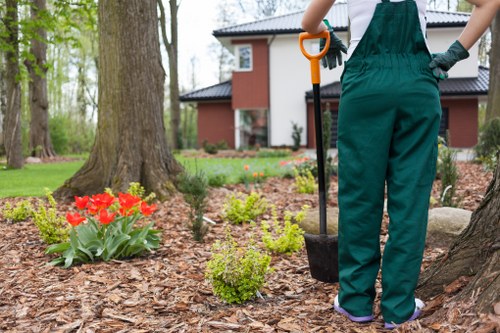 A key part of our sustainability approach is working with local transfer stations that prioritise sorting, recovery, and responsible processing. Green waste is directed to facilities where it can be turned into compost or soil improver, while inert material such as brick, concrete, and stone is sent for crushing and recycling into secondary aggregates. This reduces the need to extract new raw materials and supports lower-impact building and landscaping Wandsworth projects.
Where possible, we also keep specialist waste streams separate. In an area like Wandsworth, that can mean handling wood, metal, and plastics independently instead of placing them in a mixed skip. Some boroughs encourage residents and contractors to separate dry recyclables from food waste and garden waste at source, and we follow the same principle on site. It is a small change in process, but it has a big effect on recovery rates and quality.
Our teams use labelled containers and clear sorting routines so that recycling is not treated as an afterthought. Whether a project produces hedge trimmings, old fencing, soil bags, or broken paving, the aim is always the same: collect, separate, recover. This supports a more efficient waste route and helps us stay close to our recycling target throughout the year.
 Partnerships with charities are another important part of our sustainability work. When trees, shrubs, planters, tools, or outdoor furnishings are still usable, we look for opportunities to donate them rather than discard them. Some items can be passed on to community groups, allotment projects, or charitable organisations that welcome quality materials for reuse. This helps extend the life of items that would otherwise become waste and gives extra value to Wandsworth landscaping projects.
We also support local reuse culture by identifying materials that can be repurposed on later jobs. A timber sleeper may become a border edge, stone paving can be reset in a new layout, and healthy plants can be transplanted elsewhere in the garden. These choices reduce demand for new products and make landscaping in Wandsworth more resource-conscious from the outset.
Low-carbon vans are central to how we cut emissions from transport. Vehicle journeys are planned to reduce unnecessary miles, and our newer vans are selected for better fuel efficiency and lower emissions than older fleets. We favour combined deliveries, sensible route planning, and loading practices that reduce repeat trips. For busy urban work in Wandsworth, where traffic and idling can increase carbon output, this operational discipline matters as much as the materials we recycle.
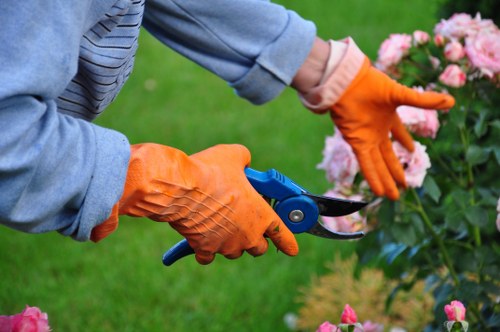 Green waste is one of the most common material streams in local garden work, and it can be one of the easiest to recycle well. Grass cuttings, prunings, leaves, and small branches are kept separate from contaminated waste so they can be processed efficiently. This is especially useful in boroughs with clear waste separation expectations, where mixed loads can limit recovery. By treating garden waste properly, landscaping Wandsworth can support composting and soil restoration rather than disposal.
We also make thoughtful decisions around soil and aggregates. Clean spoil can often be screened and reused, while excess rubble may be processed into secondary materials. Even when a project involves a complete redesign, careful sorting allows a surprising amount of material to re-enter the supply chain. That approach keeps costs sensible, reduces landfill pressure, and improves the overall sustainability profile of Wandsworth landscaping services.
Packaging is another area where practical recycling helps. Plant trays, cardboard, timber pallets, and certain plastics can often be returned, recycled, or reused if they are kept dry and separate. This is why site organisation matters so much: the better the sorting, the higher the chance that materials can be recovered cleanly and efficiently.
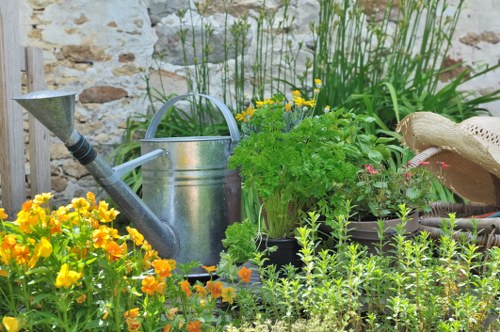 Looking ahead, our sustainability goal remains clear: to make every project in landscaping Wandsworth more circular, lower-carbon, and less wasteful than the last. That means maintaining our 85% recyclable and recoverable waste target, strengthening charity partnerships, improving use of local transfer stations, and expanding the role of low-carbon vans in our day-to-day operations.
We believe responsible landscaping should do more than improve the look of a garden. It should protect resources, support local reuse, and reduce the environmental footprint of every job. By keeping materials in circulation, working with trusted recycling routes, and making sustainability part of the planning process, landscaping in Wandsworth can deliver lasting results with a lighter impact on the planet.